VILLA DE SAN JUAN DE LA RAMBLA
Bienes Culturales: 40







|
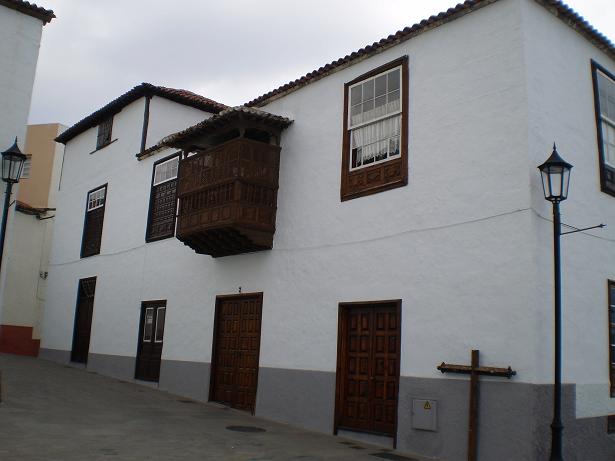
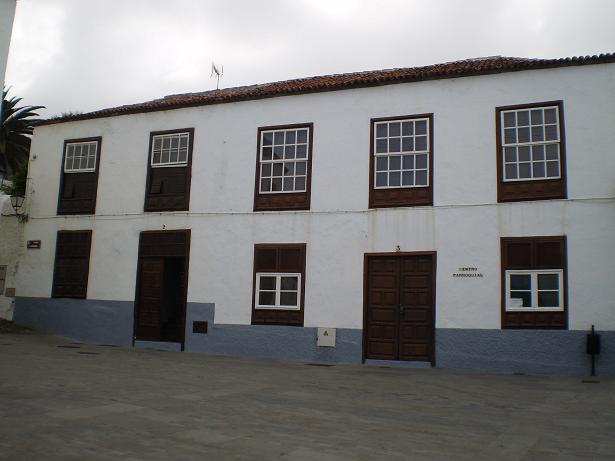
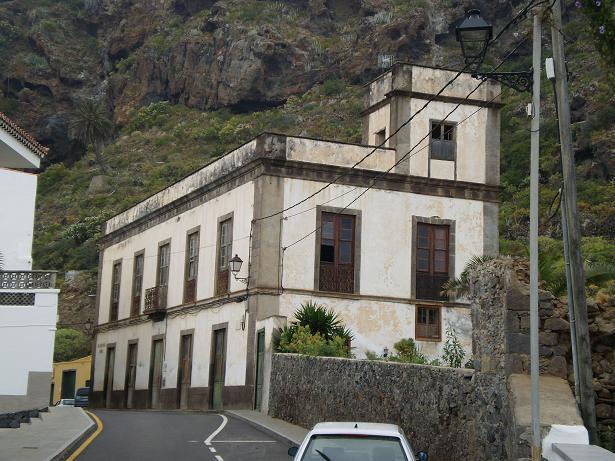
La Villa de San Juan de la Rambla se encuentra situada a unos 100 metros sobre el nivel del mar entre los municipios de Los Realejos y La Guancha, en la Isla de Tenerife. Fue declarada Bien de Interés Cultural en la categoría de Conjunto Histórico Artístico en 1993. A pesar de haber sido habitada por los aborígenes guanches perteneciendo al menceyato de Taoro, no fue hasta finales del siglo XV, tras la conquista, que se establece su “fundador” D. Martín Rodríguez tras el reparto de tierras del Adelantado , y se empieza a construir el actual casco histórico conociéndose como San Juan del Malpaís. No fue hasta la segunda mitad del siglo XVI, que tomó su actual denominación dando nombre a todo el municipio. En 1530, D. Martín Rodríguez ordena construir la ermita de San Juan Bautista cerca de su morada y alrededor de la cual se iría formando el pueblo. Un pueblo compacto obligado por la orografía del terreno, que en el pasado se concentraba en torno a dos calles principales, la de Arriba y la de Abajo. Sin embargo, en noviembre de 1826 se desencadenó una fuerte tormenta que desbordó los barrancos del municipio causando grandes desgracias, tanto de pérdida de vidas humanas como daños graves en el conjunto arquitectónico del pueblo. El conjunto arquitectónico y urbanístico es de singular belleza, gracias a los ricos agricultores, clérigos y militares que reflejaron su estatus social y económico en la construcción de espectaculares mansiones y edificaciones que hoy en día se tratan de proteger y conservar. En 1530, D. Martín Rodríguez ordena construir la ermita de San Juan Bautista cerca de su morada y alrededor de la cual se iría formando el pueblo. Un pueblo compacto obligado por la orografía del terreno, que en el pasado se concentraba en torno a dos calles principales, la de Arriba y la de Abajo. Sin embargo, en noviembre de 1826 se desencadenó una fuerte tormenta que desbordó los barrancos del municipio causando grandes desgracias, tanto de pérdida de vidas humanas como daños graves en el conjunto arquitectónico del pueblo. El conjunto arquitectónico y urbanístico es de singular belleza, gracias a los ricos agricultores, clérigos y militares que reflejaron su estatus social y económico en la construcción de espectaculares mansiones y edificaciones que hoy en día se tratan de proteger y conservar. En 1530, D. Martín Rodríguez ordena construir la ermita de San Juan Bautista cerca de su morada y alrededor de la cual se iría formando el pueblo. Un pueblo compacto obligado por la orografía del terreno, que en el pasado se concentraba en torno a dos calles principales, la de Arriba y la de Abajo. Sin embargo, en noviembre de 1826 se desencadenó una fuerte tormenta que desbordó los barrancos del municipio causando grandes desgracias, tanto de pérdida de vidas humanas como daños graves en el conjunto arquitectónico del pueblo. El conjunto arquitectónico y urbanístico es de singular belleza, gracias a los ricos agricultores, clérigos y militares que reflejaron su estatus social y económico en la construcción de espectaculares mansiones y edificaciones que hoy en día se tratan de proteger y conservar. En 1530, D. Martín Rodríguez ordena construir la ermita de San Juan Bautista cerca de su morada y alrededor de la cual se iría formando el pueblo. Un pueblo compacto obligado por la orografía del terreno, que en el pasado se concentraba en torno a dos calles principales, la de Arriba y la de Abajo. Sin embargo, en noviembre de 1826 se desencadenó una fuerte tormenta que desbordó los barrancos del municipio causando grandes desgracias, tanto de pérdida de vidas humanas como daños graves en el conjunto arquitectónico del pueblo. El conjunto arquitectónico y urbanístico es de singular belleza, gracias a los ricos agricultores, clérigos y militares que reflejaron su estatus social y económico en la construcción de espectaculares mansiones y edificaciones que hoy en día se tratan de proteger y conservar. |